
Updated on October 18, 2026.
What’s my problem? Why can’t I enjoy the things new people are bringing to Joshua Tree? Why did I rail against the tourist gift shop down the road when they turned it into a Cheez-It advertisement for a few weeks? Why do I not fawn over the dudes from Oregon who own half of Pioneertown and seem intent on bringing their seemingly endless string of business ventures to every corner of the community?
I guess the question is, why can’t I be normal?
Normal people love a new restaurant or bar or any of the other stuff encroaching on the high desert to accommodate the city folk who move here for a couple of years, then flee, or the tourists who will probably never stop coming even after Joshua Tree is no longer Instagram-cool.
That was a long sentence, but maybe you get the drift. The city has arrived in the high desert, and I’m not a fan.
I know how that sounds.
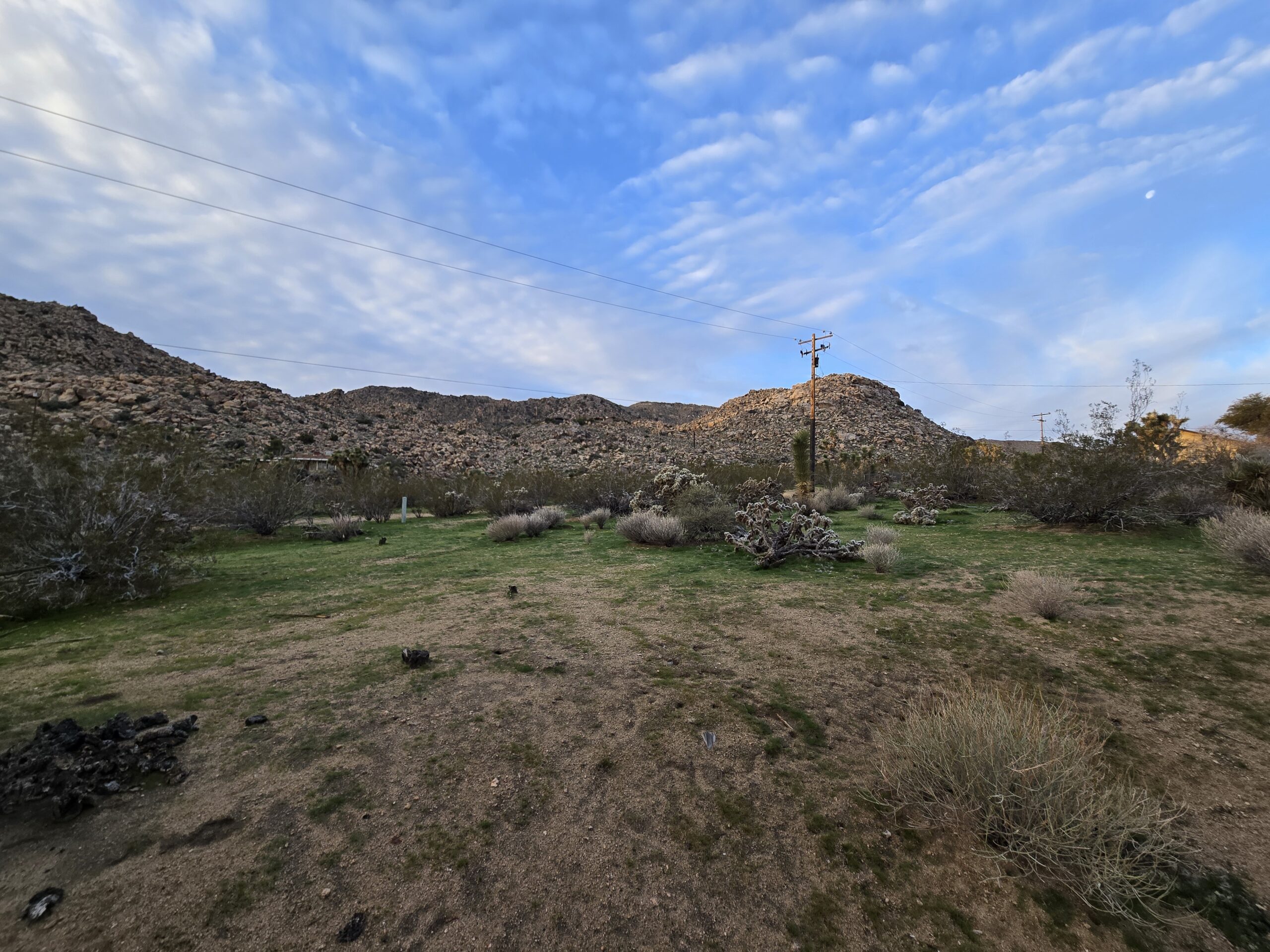
I wasn’t born here. I haven’t lived here for 50 years. I’ve been coming to Joshua Tree and loving it for around 40 years, but I haven’t been a resident all that time. I lived here for a spell in the 1990s, in Panorama Heights, and Ayin and I have lived here in Friendly Hills full-time since the pre-COVID days that feel like they were a hundred years ago.
But I have no right. No right to come here and close the door behind me.
I know that’s how it sounds, but I think it’s less about that and more about preservation, capitalism, and consumerism.
The first Europeans of means came to North America with one thing in mind: money. They’d heard the tales of limitless resources and wasted no time exploiting those resources. So it’s easy to see the argument that America is, at its roots, a capitalist country (not a religious one, sorry MAGA).
If it were up to capitalists, every tree, rock, and drop of water would be sold. By some stroke of luck, naturalist John Muir convinced Theodore Roosevelt to create the National Park Service in 1916. The Park Service’s Organic Act laid out the intent of the parks:
“…to conserve the scenery and the natural and historic objects and the wild life therein and to provide for the enjoyment of the same in such manner and by such means as will leave them unimpaired for the enjoyment of future generations.”
And that was how we approached the parks and monuments that were created, and for almost a century, it worked pretty well. But in retrospect, the Organic Act created an impossible task for itself: conserving nature and wildlife while at the same time leaving them open to anyone to visit.
In the 21st century, National Parks became a destination for a new breed of visitor. They weren’t people who craved nature or solitude; they were people looking for pictures for their social media accounts.
That might seem like a simplistic wrap-up of a likely complicated thing, but prove me wrong.
Last time there was a widely publicized meteor shower, miles-long lines formed at the park entrances, and people from who-knows-where clogged the streets of Joshua Tree. We live in a spot you’re unlikely to accidentally drive through, but there was an endless stream of cars up and down the street, parking on private property and service roads, each one vomiting out half a dozen people who seemed more interested in loud conversations than anything they might accidentally see in the sky.
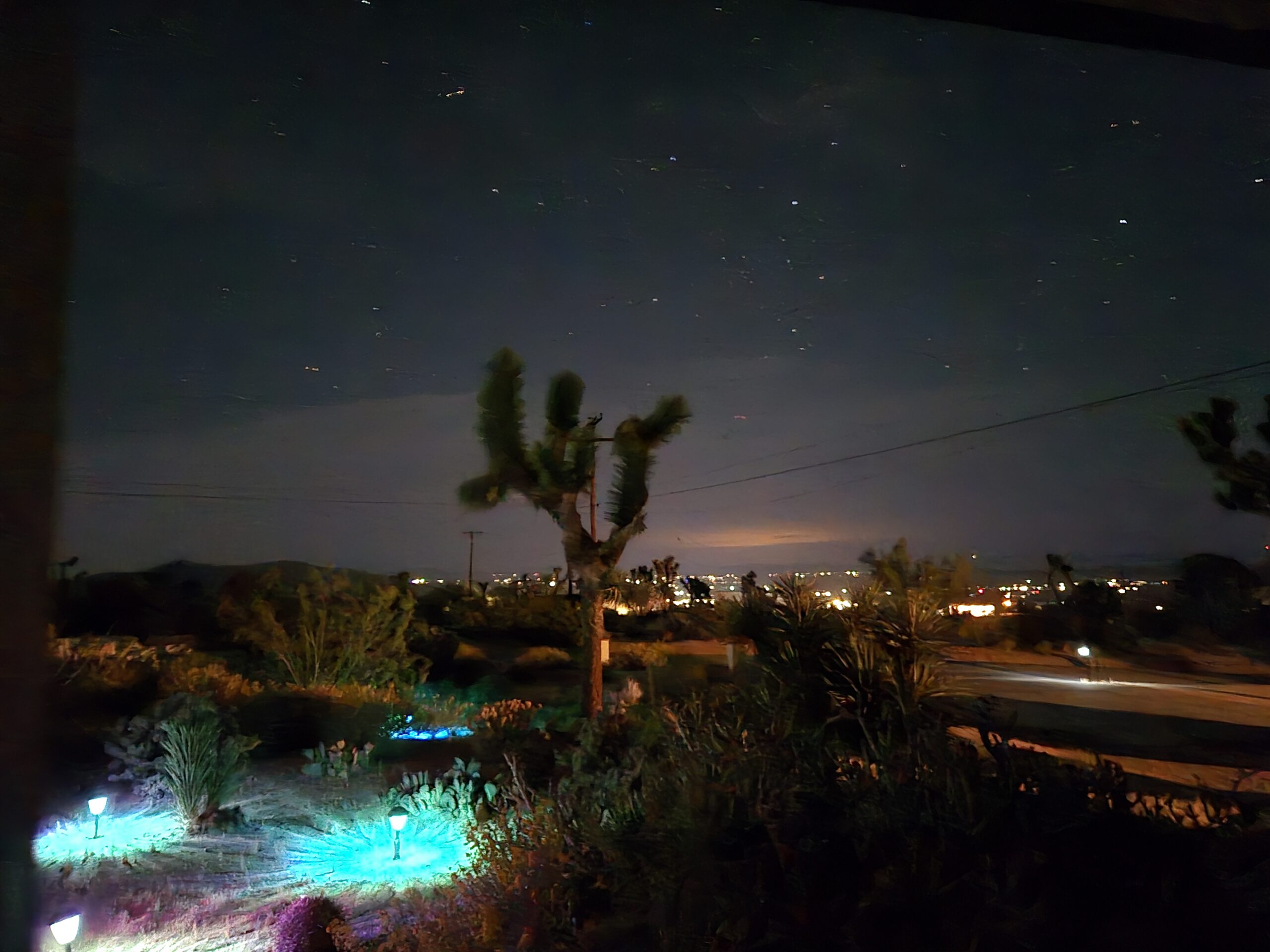
We live near Airbnbs (as does everyone in Joshua Tree), and I can tell you that some of those people roll in, turn up the music, and don’t leave the house until they leave the desert a couple of days later. They don’t go to the park, they don’t sit outside quietly at night, marveling at the sky. They throw a party and leave.
Those are people with no interest in what the high desert is or what it has to offer. What it means. So you tell me why they are here, rather than, I don’t know, renting an Airbnb closer to home for their parties. I think it’s because they want their Instagram posts to be tagged with “Joshua Tree.”
I understand that all the National Parks and National Park towns are suffering the same growing pains, but in California, Joshua Tree is bearing the brunt of the invasion. We had only 6,000 residents in the latest census, but more than 1,000 Airbnbs. If that sounds extreme, it is. But more telling is the fact that in the previous census, Joshua Tree’s population was 7,000.
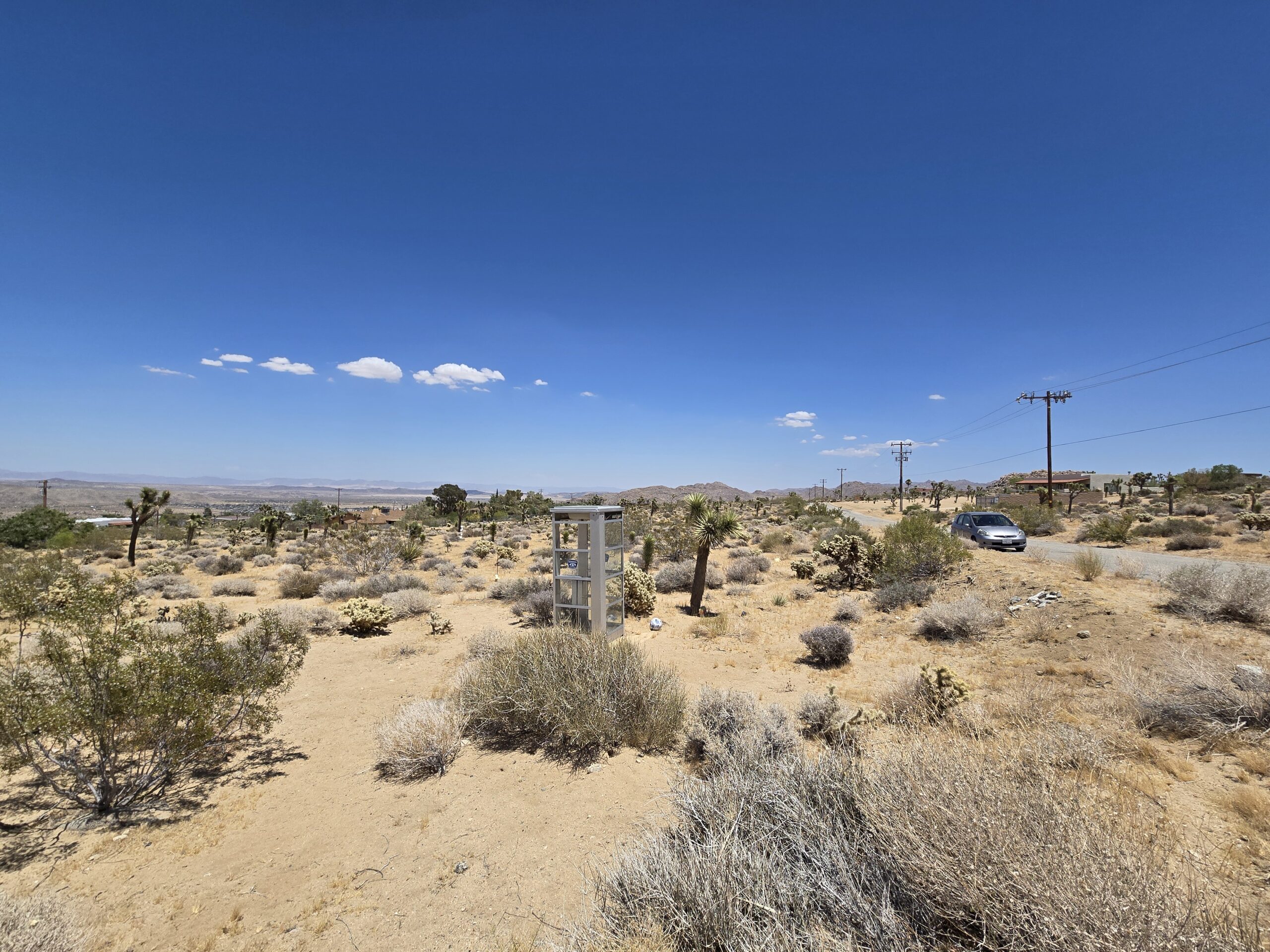
Did the rise of Airbnb rentals lead to the loss of 1,000 residents? It seems pretty clear to those of us watching the Airbnbs eat all the homes that might have been sold to families or become long-term rentals 15 or 20 years ago. There are half a dozen Airbnbs on our block. That’s a loss of potential neighbors and a gutting of our immediate community.
There are those who would no doubt say the influx has strengthened the community. Now there are more businesses and art galleries and hour-long wait lines to get into the restaurants that you used to be able to walk into, to, you know, eat.
I’ve lived in a few cities or towns that went through gentrification, so I know how this ends. Joshua Tree will become an enclave for the rich and home to all the things they want around them. Like the $200 steaks the Oregon brothers want to sell you at The Copper Room.
But then again, maybe not. What I’ve noticed is that there’s about a two-year window when people are enthusiastic about living in the desert. Then, after a couple of years, the reality of desert life hits some of them, and they retreat back to where they came from.
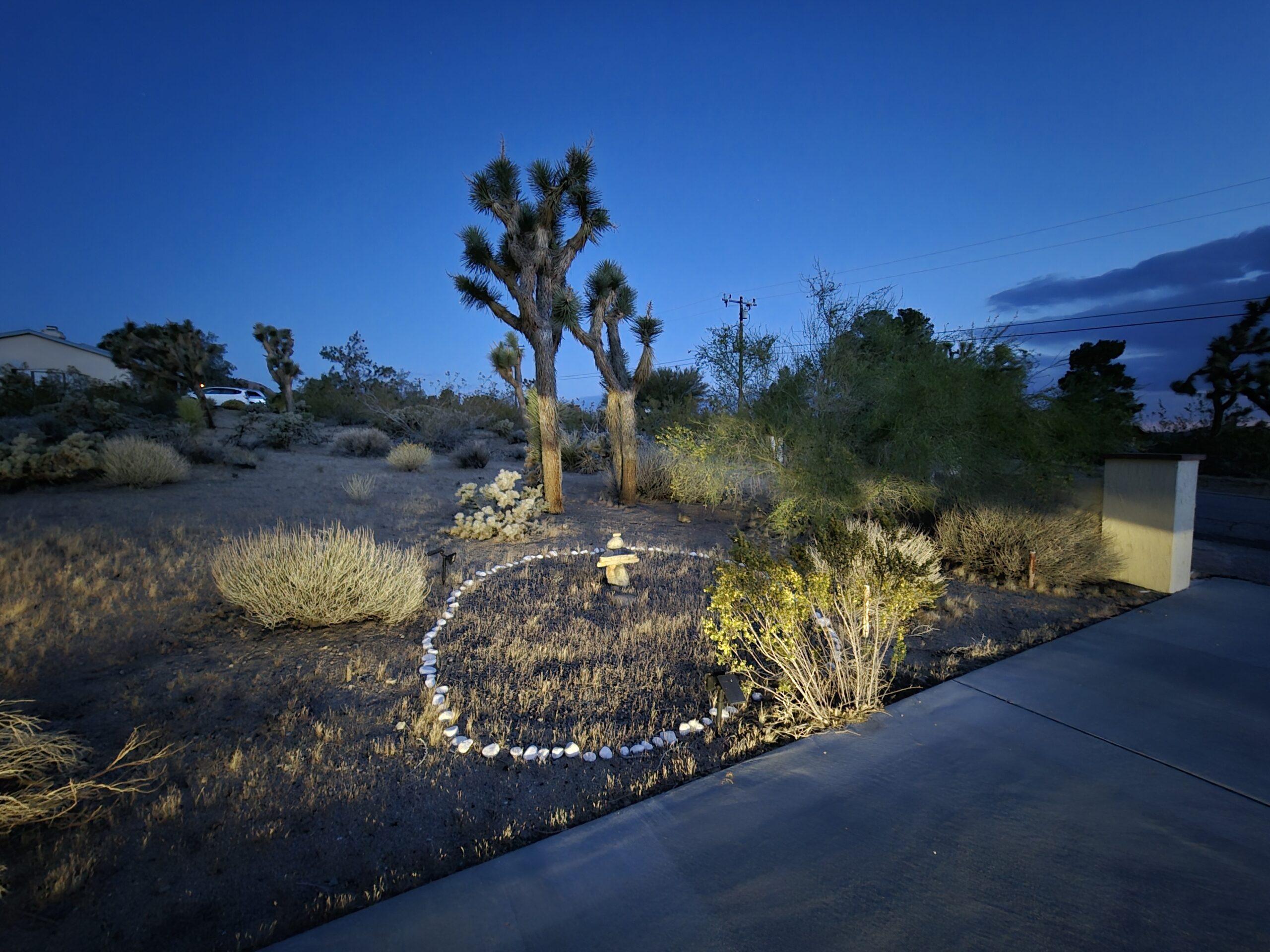
But some stay. And some who stay want to see their idea of what the desert should be realized, whether it’s good for the community or not. Is my perhaps old-fashioned view of what Joshua Tree should be correct? The truth is it’s no more correct than what the $200 steak crowd wants. The people who inhabit places shape them, for better or worse.
All I know is you have to go further and further to enjoy the quiet solitude that used to be Joshua Tree’s calling card. You have to go further and further to see a dark night sky. I don’t know if there is any distant corner of the park where you can still go without seeing another person. When I started coming to the park in the late 1980s, you could be there all day without coming across another person.
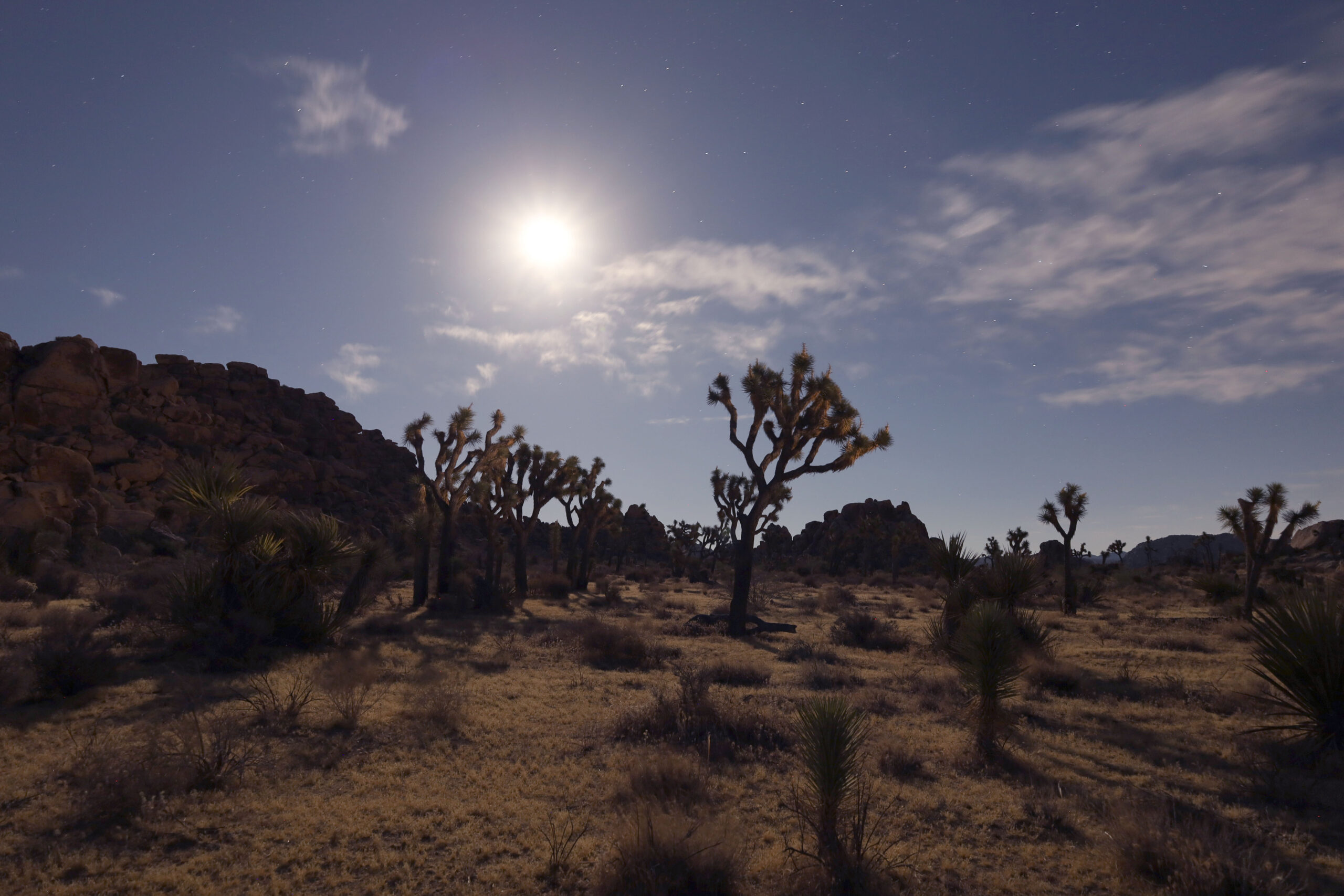
Now, I go to the park after 10 p.m. to take long-exposure pictures of the sky, and it takes an hour to get a 30-second exposure without car headlights (like the one below). After 10 p.m. On a weeknight. Who is in all those cars, and where are they going in the pitch-black desert night?
I don’t know.
I should be happy that I got to experience the old Joshua Tree. I am. I just miss it, and I’m afraid it’s gone forever.
Discover more from Wow. A blog.
Subscribe to get the latest posts sent to your email.